Dental implants are a revolutionary solution for replacing missing teeth, offering unparalleled stability, function, and aesthetics. They are designed to mimic the natural tooth root, integrating directly with the jawbone to provide a strong foundation for crowns, bridges, or dentures. However, the success of dental implants hinges on having sufficient, healthy jawbone to support them. Unfortunately, for many individuals, bone loss in the jaw can become a significant hurdle to receiving implants. This is where bone grafting, a common and highly effective procedure, plays a crucial role in preparing the jaw for successful implant placement, a service proudly offered by Piedmont Dental - Dentist in Rock Hill.
Understanding Jawbone Loss and Its Impact on Dental Implants
Jawbone loss can occur for several reasons, including prolonged absence of teeth, periodontal disease, trauma, or certain medical conditions. When a tooth is lost, the bone that once supported it no longer receives the stimulation it needs, leading to a process called resorption. Over time, this can cause the jawbone to shrink in height and width. For dental implants, adequate bone volume and density are essential. Implants need to be securely anchored into robust bone to ensure long-term stability and prevent failure. If there isn't enough bone, or if the existing bone is too weak, the implant cannot properly integrate, making the procedure impossible or significantly increasing the risk of complications.
Why Bone Density Matters for Implants
The jawbone acts as the natural anchor for your teeth. When an implant is placed, it undergoes a process called osseointegration, where the titanium post fuses directly with the bone. This fusion is critical for the implant's strength and durability. Insufficient bone volume means less surface area for osseointegration, which can compromise the implant's stability. Furthermore, bone loss can affect the aesthetic outcome, as there may not be enough bone to support the gum tissue around the implant, leading to an unnatural appearance.
The Role of Bone Grafting in Dental Implant Preparation
Bone grafting is a surgical procedure designed to rebuild or augment the jawbone where it has deteriorated or is insufficient. It involves adding bone material to the deficient area, stimulating the body's natural regenerative processes to grow new bone. This procedure effectively creates a strong, stable foundation for dental implants, transforming individuals who were once deemed unsuitable candidates into viable ones.
Types of Bone Graft Materials
Several types of bone graft materials are used, each with its own advantages:
- Autogenous Grafts: Considered the "gold standard," this material is harvested from the patient's own body (e.g., from another part of the jaw, hip, or shin). It contains living bone cells, which promote faster and more predictable bone regeneration. Allografts: This material comes from a human donor, processed to ensure safety and sterility. It provides a scaffold for new bone growth. Xenografts: Derived from animal sources, typically bovine (cow) bone. Like allografts, they act as a scaffold for the body's own bone to grow into. Alloplasts: Synthetic bone graft materials, often made from biocompatible ceramics or polymers. They also serve as a framework for new bone formation.
The choice of graft material depends on the specific needs of the patient, the extent of bone loss, and the surgeon's recommendation. At Piedmont Dental - Dentist in Rock Hill, our team carefully assesses each case to determine the most appropriate grafting solution.

The Bone Grafting Procedure: What to Expect
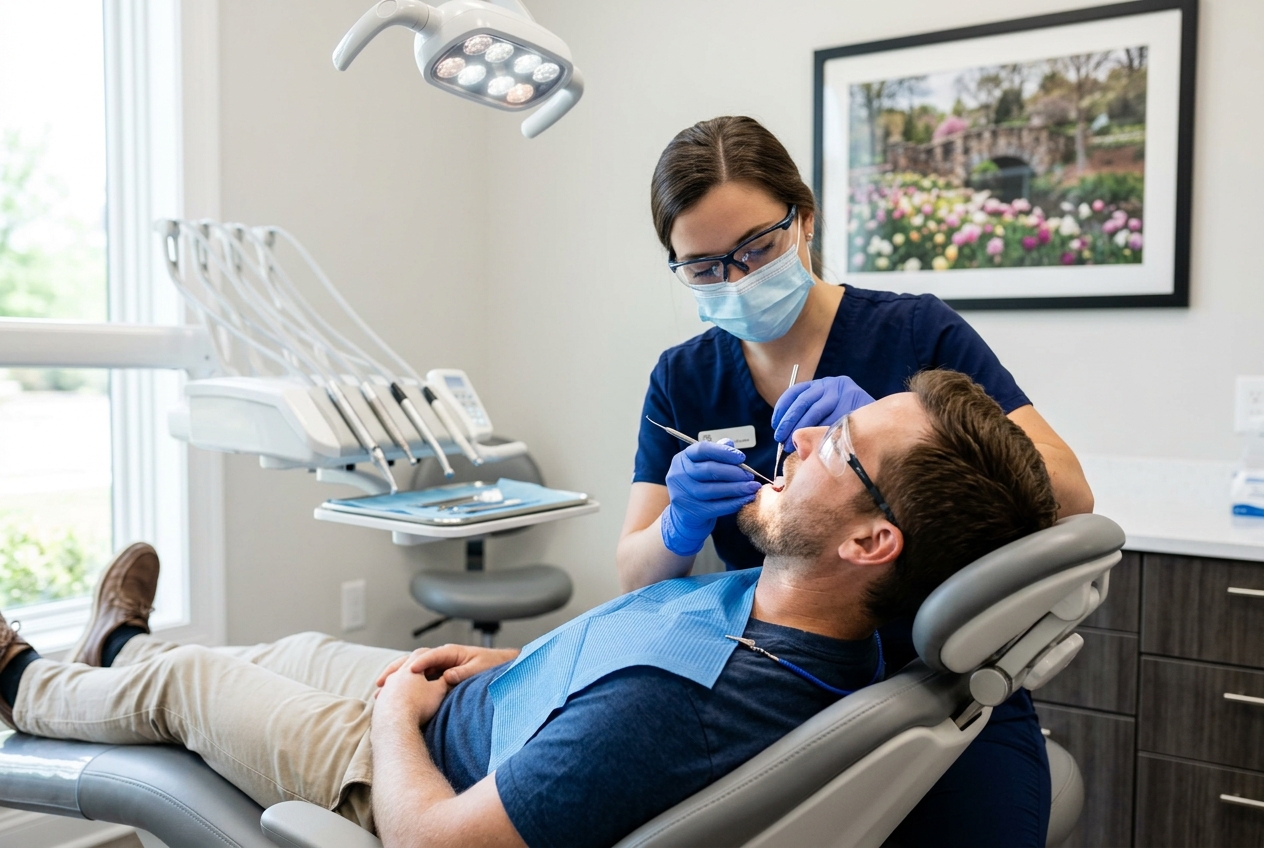
The bone grafting procedure typically involves making a small incision in the gum tissue to expose the underlying bone. The graft material is then carefully placed in the deficient area. Sometimes, a protective membrane is placed over the graft to contain the material and guide bone regeneration. The gum tissue is then sutured closed. Depending on the extent of the graft, the procedure can be performed under local anesthesia, with sedation options available for patient comfort.
Healing and Integration
After https://gxr-blog.iamarrows.com/understanding-dental-x-rays-safety-and-importance the graft is placed, a crucial healing period begins. This period allows the graft material to integrate with the existing bone and stimulate the growth of new, healthy bone. The duration of this healing phase varies, typically ranging from a few months to up to nine months, depending on the type of graft and the individual's healing capacity. During this time, the body gradually replaces the graft material with its own natural bone, creating a robust foundation for future dental implant placement.
When is Bone Grafting Necessary for Dental Implants?
Bone grafting may be recommended in several scenarios:
- Insufficient Ridge Width or Height: When the jawbone is too narrow or too shallow to accommodate the implant post. Sinus Lift Procedure: If implants are needed in the upper jaw, near the sinus cavities, and there isn't enough bone below the sinus floor. A sinus lift elevates the sinus membrane and places bone graft material to increase bone height. Socket Preservation: After a tooth extraction, a graft can be placed into the empty socket to prevent bone collapse and maintain the bone's dimensions for future implant placement. Periodontal Disease: If advanced gum disease has led to significant bone loss around existing teeth or where teeth were lost.
Our experienced professionals at Piedmont Dental - Dentist in Rock Hill utilize advanced diagnostic tools to precisely determine if and where bone grafting is necessary, ensuring a tailored treatment plan for optimal outcomes.
The Benefits of Bone Grafting for Long-Term Implant Success
While it adds an extra step to the implant process, bone grafting offers significant benefits that contribute to the long-term success and stability of dental implants:
- Enables Implant Placement: It makes dental implants a possibility for patients who would otherwise be ineligible. Enhances Stability: Provides a strong, dense foundation for the implant to securely integrate, reducing the risk of implant failure. Improves Aesthetics: Helps restore natural facial contours and supports the gum tissue, leading to a more natural-looking smile. Long-Term Durability: A well-supported implant is more likely to last for many years, often a lifetime, with proper care.
Conclusion
Bone loss in the jaw can be a daunting challenge for those considering dental implants, but it is by no means an insurmountable one. Bone grafting procedures have revolutionized restorative dentistry, offering a reliable pathway to rebuild and strengthen the jawbone, thereby paving the way for successful dental implant placement. If you're exploring options for replacing missing teeth and have concerns about bone density, understanding bone grafting is the first step. Consulting with a qualified dental professional is essential to assess your specific needs and determine if bone grafting is the right solution for you. With the right approach, a strong, healthy foundation for a beautiful and functional smile is well within reach, and our team is dedicated to guiding you through every step of that journey.